[ Air ]

Software-enabled vehicle autonomy for critical industries

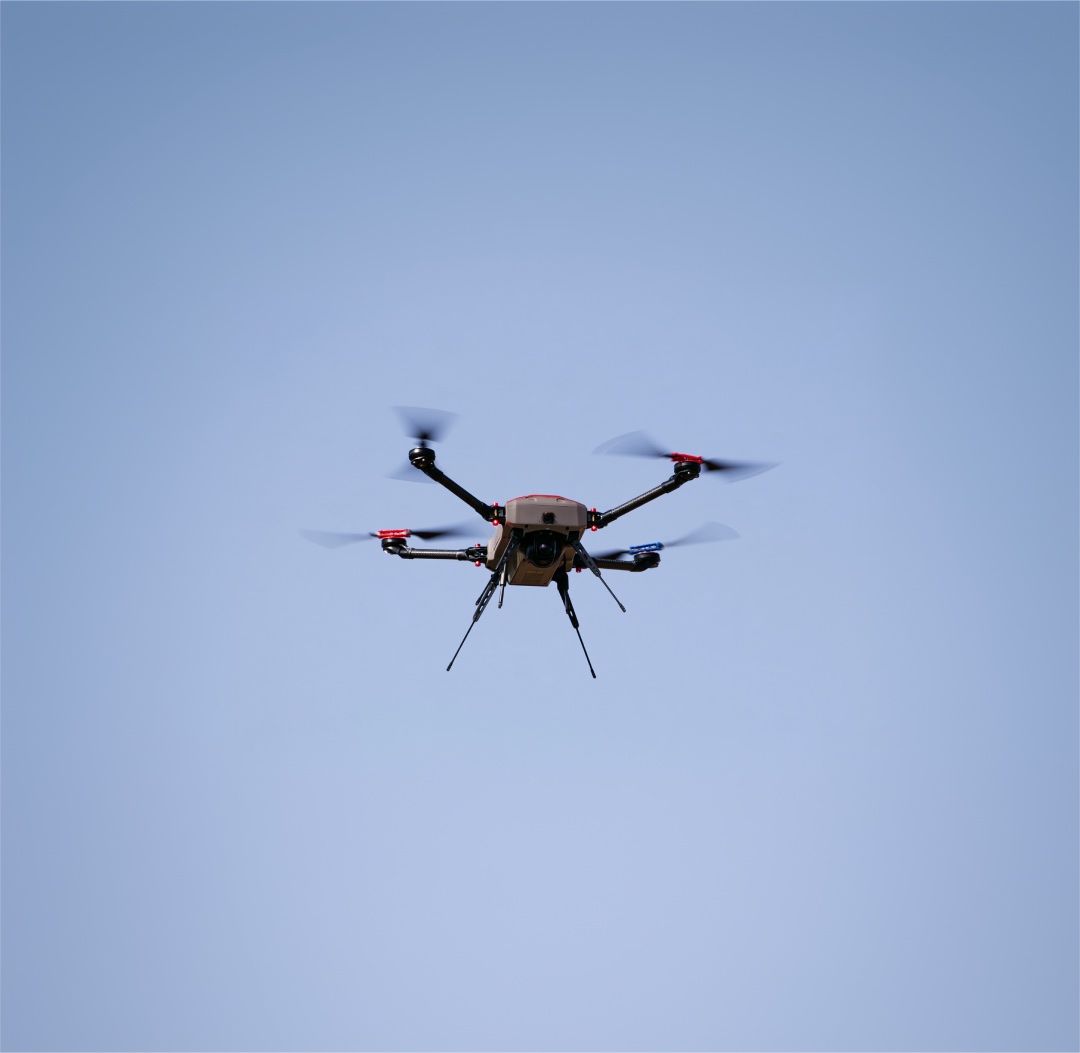
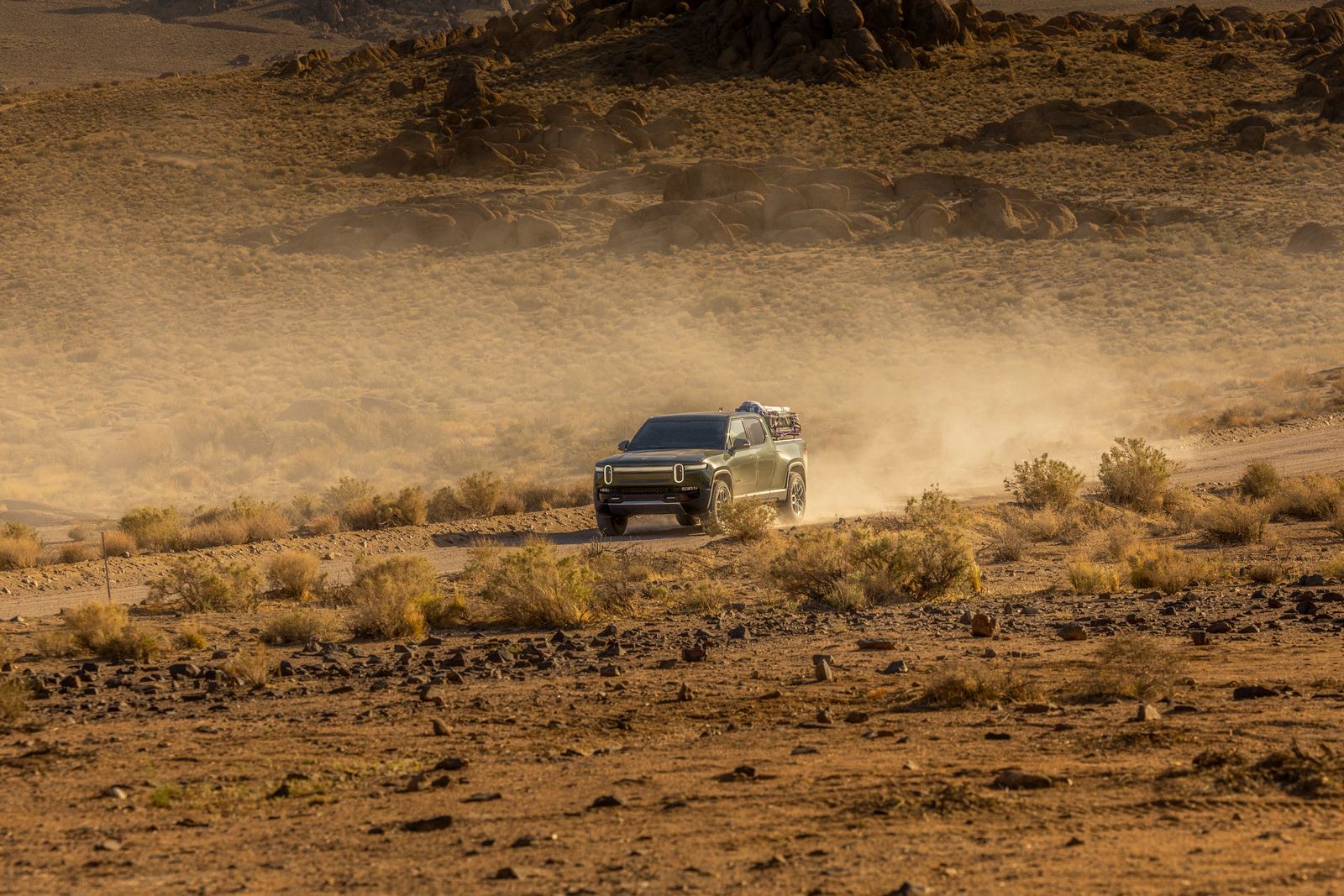
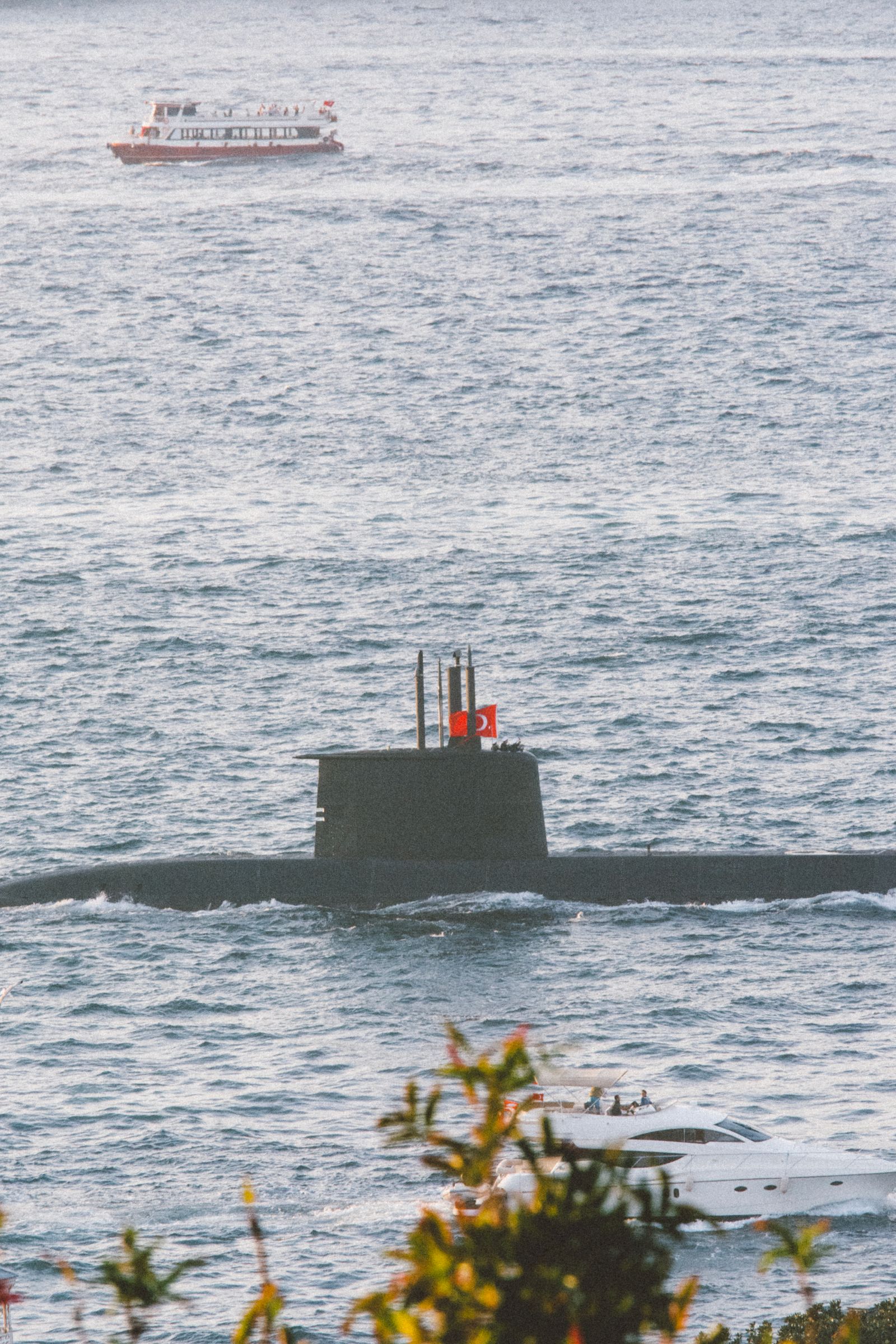
The physical economy depends on humans operating in unsafe, GPS-denied environments. Tera delivers the first unified camera-based spatial intelligence to operate vehicles across OEMs.

The human way to navigate

[ 01 ]

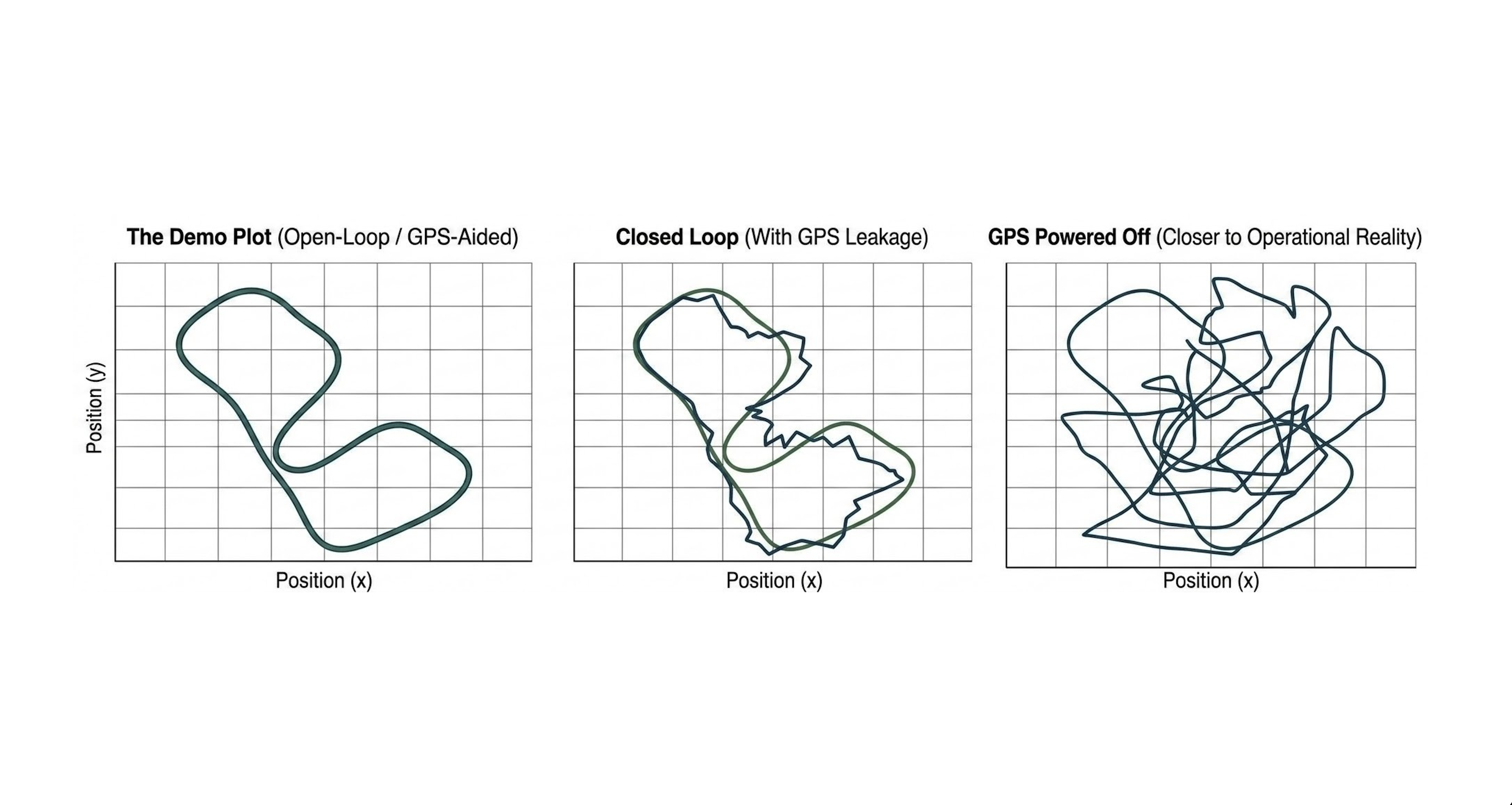
Signal denied. Everything runs onboard.

We build internal representations the robot can carry with it — globally useful for navigating anywhere, not one-off scans that get thrown away after each mission.
[ 02 ]

No HD maps. Superhuman map reading

Like a human matching a paper map to the street in front of them, our system reads any map from a camera of any view. No LiDAR, no custom collected maps.
[ 03 ]

Camera and existing sensors are all you need.

We support a wide range of cameras thanks to working closely with all leading OEMs. Runs on your existing cameras and on-device compute. No added hardware.

Backed by top-tier investors who share our bold vision

Press

Five futuristic robots with dark visors standing in a row against a blue-black background with TechCrunch logo.

Tera AI comes out of stealth

Coverage of our funding announcement and cross-platform autonomy thesis.

Read more →
CB Insights AI 100 2025 badge with text We're on the list on a black background.

Selected to the AI 100, 2026

One of 100 private AI companies recognized globally for breakthrough work.

Read more →

Validation results and technical insights

Our team has contributed to major advances in AI, including Google's geospatial foundation models and the diffusion model, which powers all image and video generation today.

Team from

[ Open Roles ]
See all open roles

Quick integration with existing sensors

No hardware retrofitting required.

Partner with us

Supports all cameras

Gimbal not required. Monocular, narrow FOV, ISR-style. We run on the cameras you already ship.

Runs on existing hardware

NVIDIA Orin NX today, Qualcomm Q4. Native compute on all leading OEMs.

Day-1 deployable

Cross-OEM data training means our stack generalizes across platforms. New fleets deploy in days, not months.